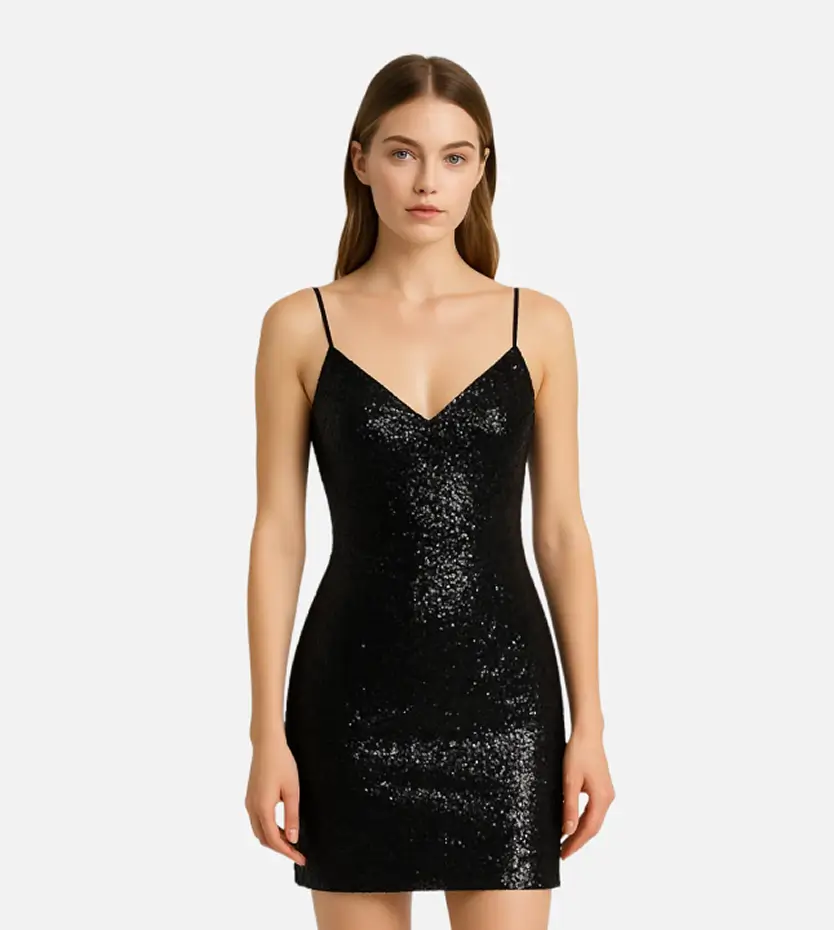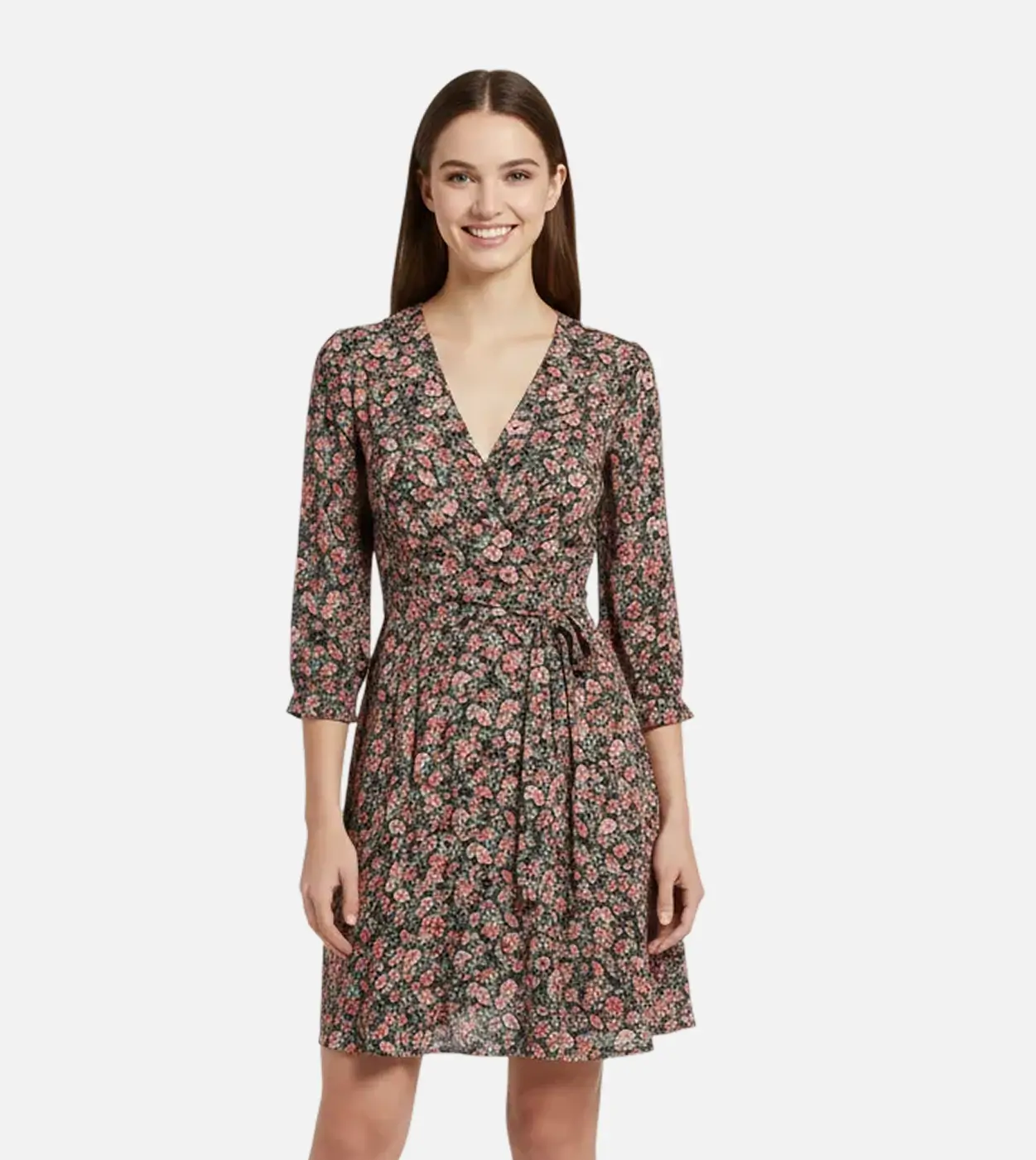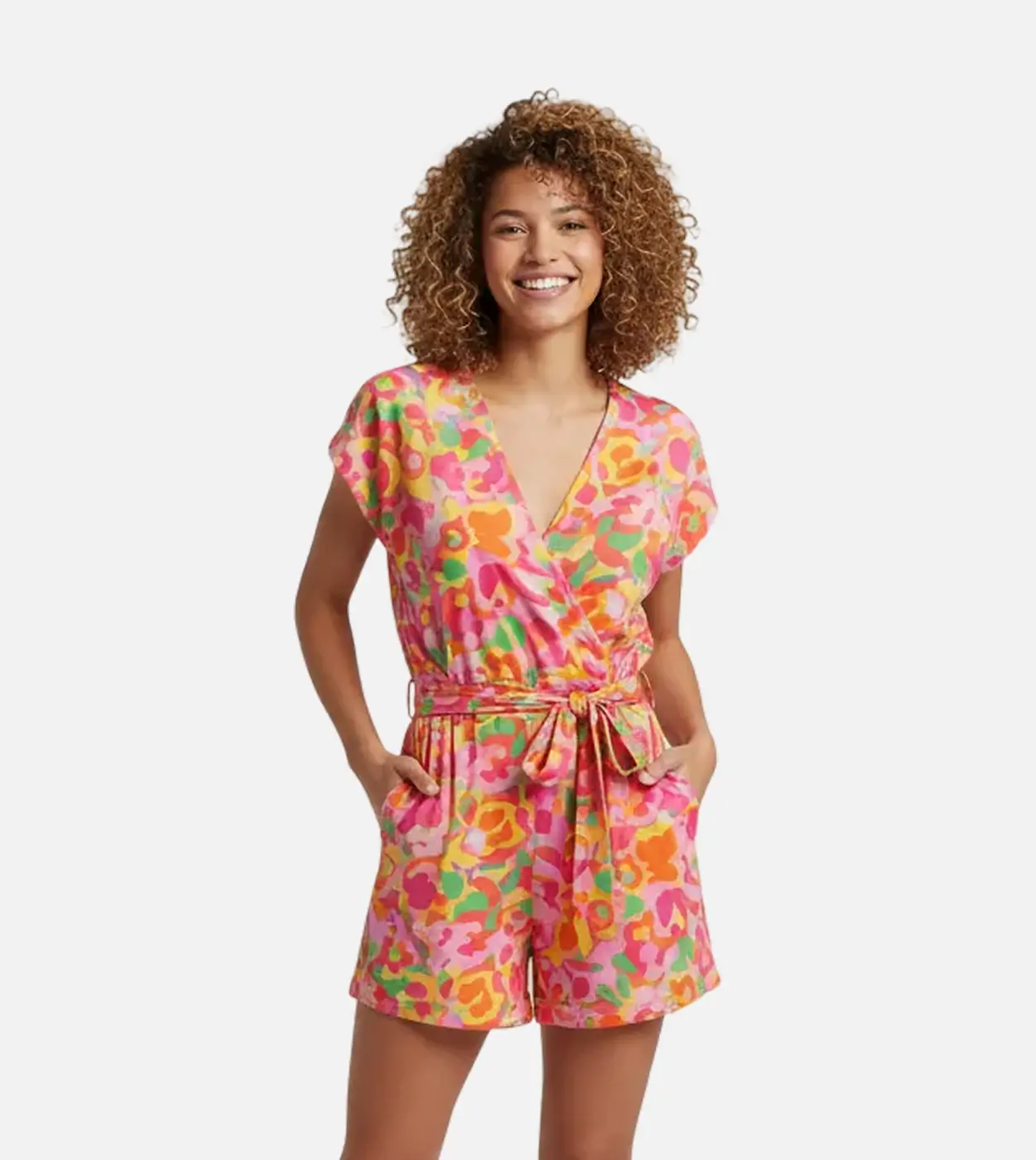
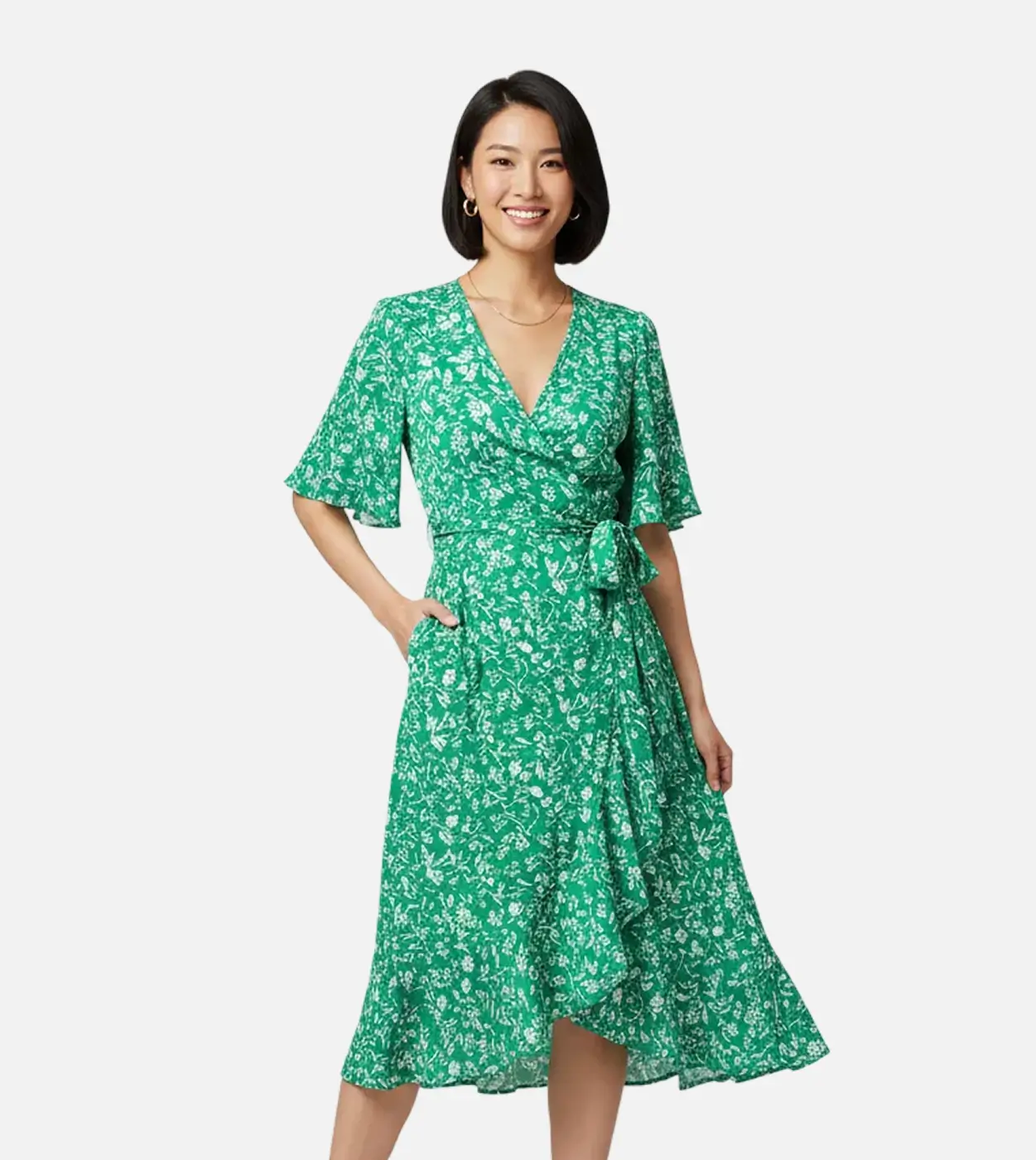


Fabric is the most honest thing about a garment. It determines how a piece moves, how it breathes, how it holds up after fifty washes — and in warm weather, it determines how you feel by midday. Synthetic blends that looked fine in the shop become suffocating by noon. Natural fibres that seemed unexciting on the hanger prove themselves quietly brilliant all summer. Here is a considered guide to the fabrics that genuinely earn their place in a warm-weather wardrobe.

Linen: The Undisputed Standard
Linen is made from the flax plant, and its hollow fibre structure allows air to move through the fabric at a rate no synthetic can match. It absorbs moisture, releases it quickly, and keeps you genuinely cooler than almost any other woven textile. It is also one of the most durable natural fibres — a good linen garment, properly cared for, will soften and improve with every wash over years of wear.
The wrinkles are part of the proposition. A linen shirt that creases gracefully throughout the day looks lived-in and considered, not unkempt — provided the cut is right and the fabric is of sufficient weight. Avoid very cheap linen, which tends to wrinkle aggressively and feel scratchy. Look for a medium weight with a slight texture, and pieces cut with enough ease to allow the fabric to breathe rather than pulling tight across the body.
"The wrinkles in linen are not a flaw to be managed — they are evidence that the fabric is working. A linen shirt that keeps you cool and moves beautifully is earning its place. The creases are proof of that."
Organic Cotton: The Versatile Foundation
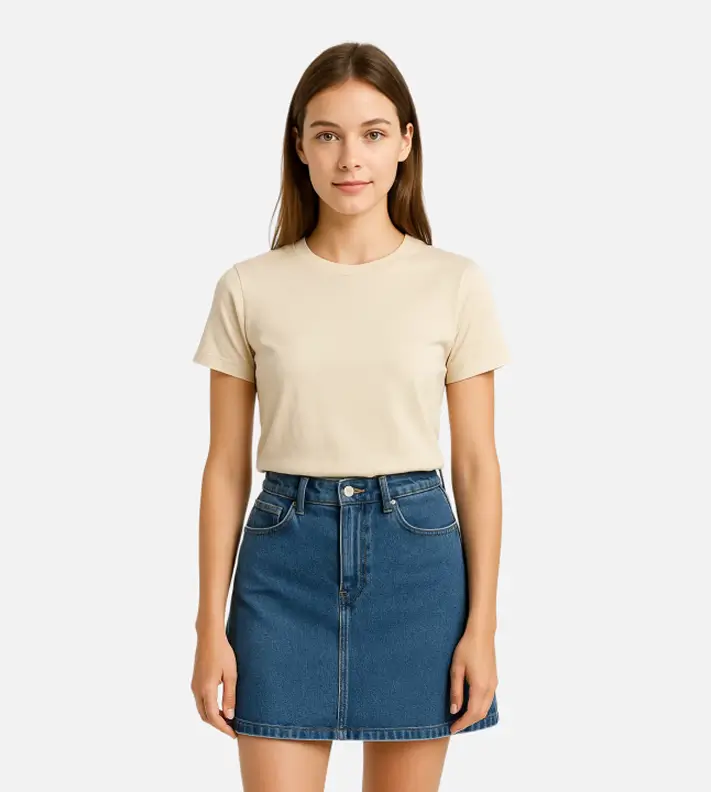
Organic cotton offers a breathability profile that is only slightly behind linen, combined with a softness and drape that makes it more comfortable for some bodies and some silhouettes. Its real advantage is versatility: it works in every category from casual to formal, and takes colour beautifully. For warm weather specifically, look for lighter weave structures — gauze, voile, or an open-weave muslin will perform significantly better than a standard jersey or tightly woven poplin in hot conditions.
The organic distinction matters beyond the environmental argument. Conventional cotton is among the most pesticide-intensive crops on earth; the chemicals used in its processing can remain in the finished fabric and affect sensitive skin over time. Organic certification removes this variable entirely, and the resulting fabric tends to feel noticeably cleaner and softer.
Silk and Silk Blends
Silk's reputation as a luxury fabric often leads people to assume it is unsuited to heat — a heavy, formal textile for cool evenings. In reality, silk is naturally temperature-regulating, absorbing up to thirty percent of its weight in moisture before it feels wet, and releasing that moisture quickly. A lightweight silk or silk-blend in a flowing silhouette is one of the most elegant and practical warm-weather choices available.
What to Look For in Warm-Weather Silk
Momme weight — the measure of silk density — is the key variable. For warm weather, look for pieces in the 10–16 momme range: light enough to drape fluidly and feel cool against the skin, but substantial enough to maintain its shape and move gracefully. Anything lighter can feel too delicate; anything heavier starts to lose the temperature-regulating benefit. Silk-cotton and silk-linen blends are worth exploring — they combine silk's lustre and drape with the breathability of the natural fibre partner, often at a lower price point than pure silk.
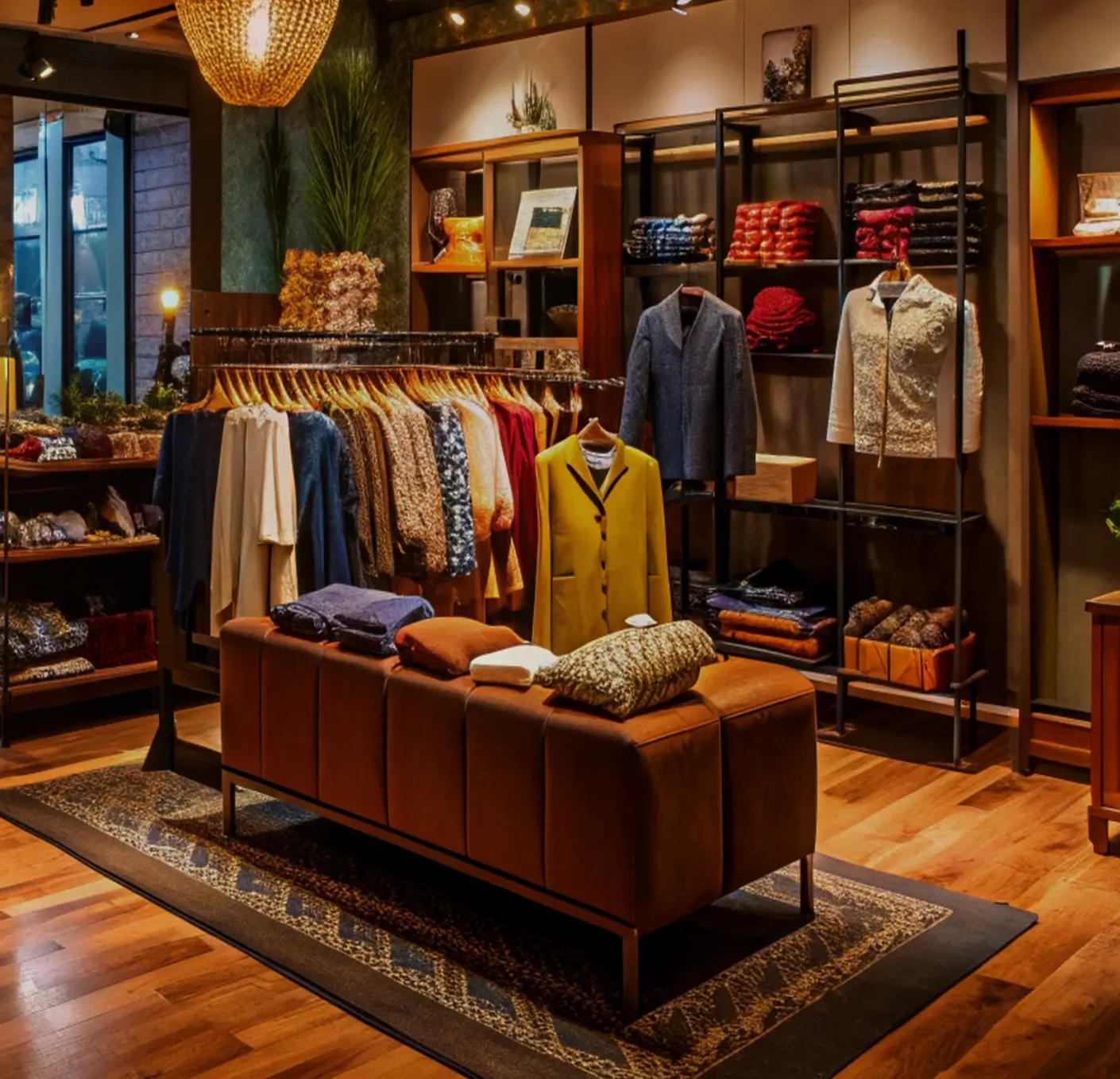
The common thread across all three of these families — linen, organic cotton, silk — is that they are natural, they breathe, and they reward long-term investment. Buy fewer warm-weather pieces and buy them in these fabrics, and you will spend less time uncomfortable and more time looking exactly as you intended to look, regardless of the temperature.